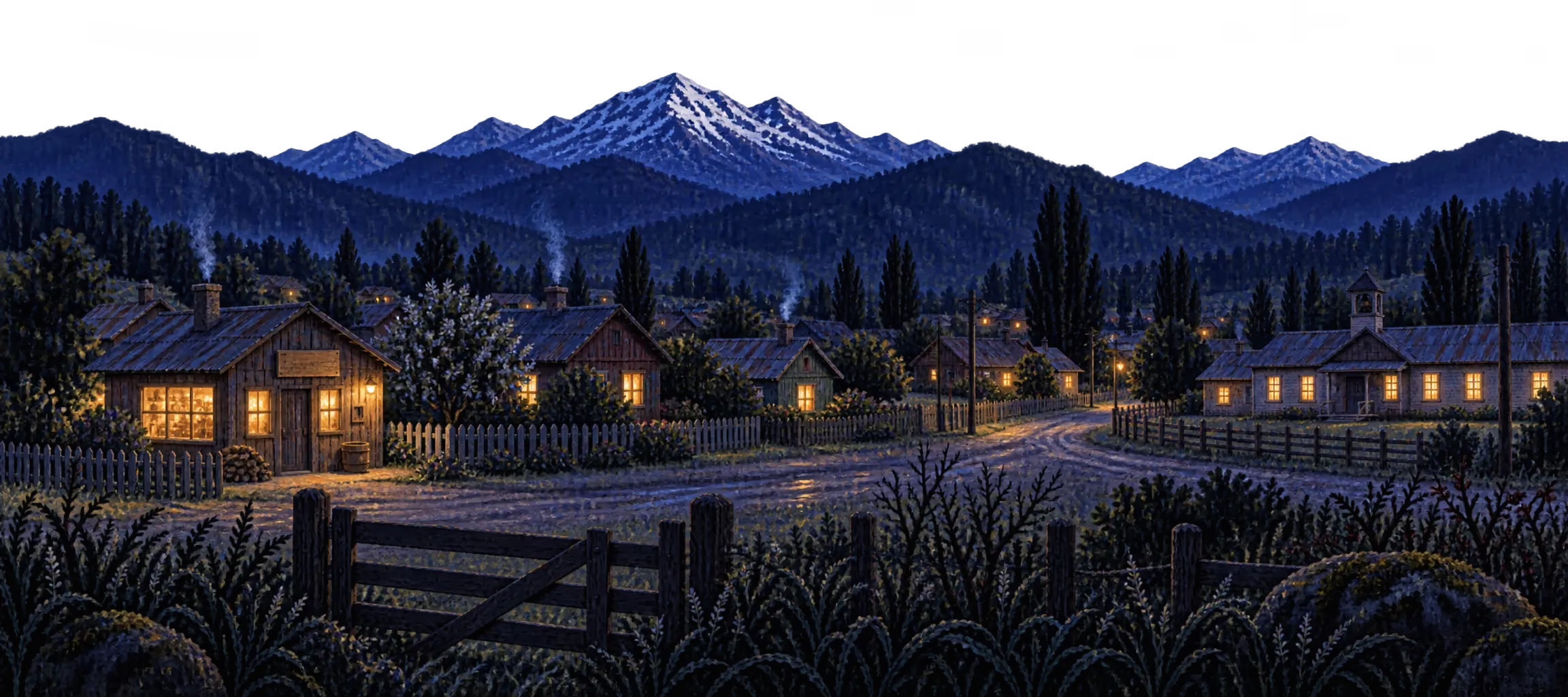
Prologue
Once upon a time there was a very beautiful, very poor little girl who went happily to school, even though she always wore the same clothes.
This is the story of a broken pair of shoes, of a mother who had no money, of a shoemaker who had something far more valuable, and of the day a twelve-year-old girl discovered that magic does exist — though it is almost never found where we go looking for it.
Chapter 1: The Girl with the Cloth Bag
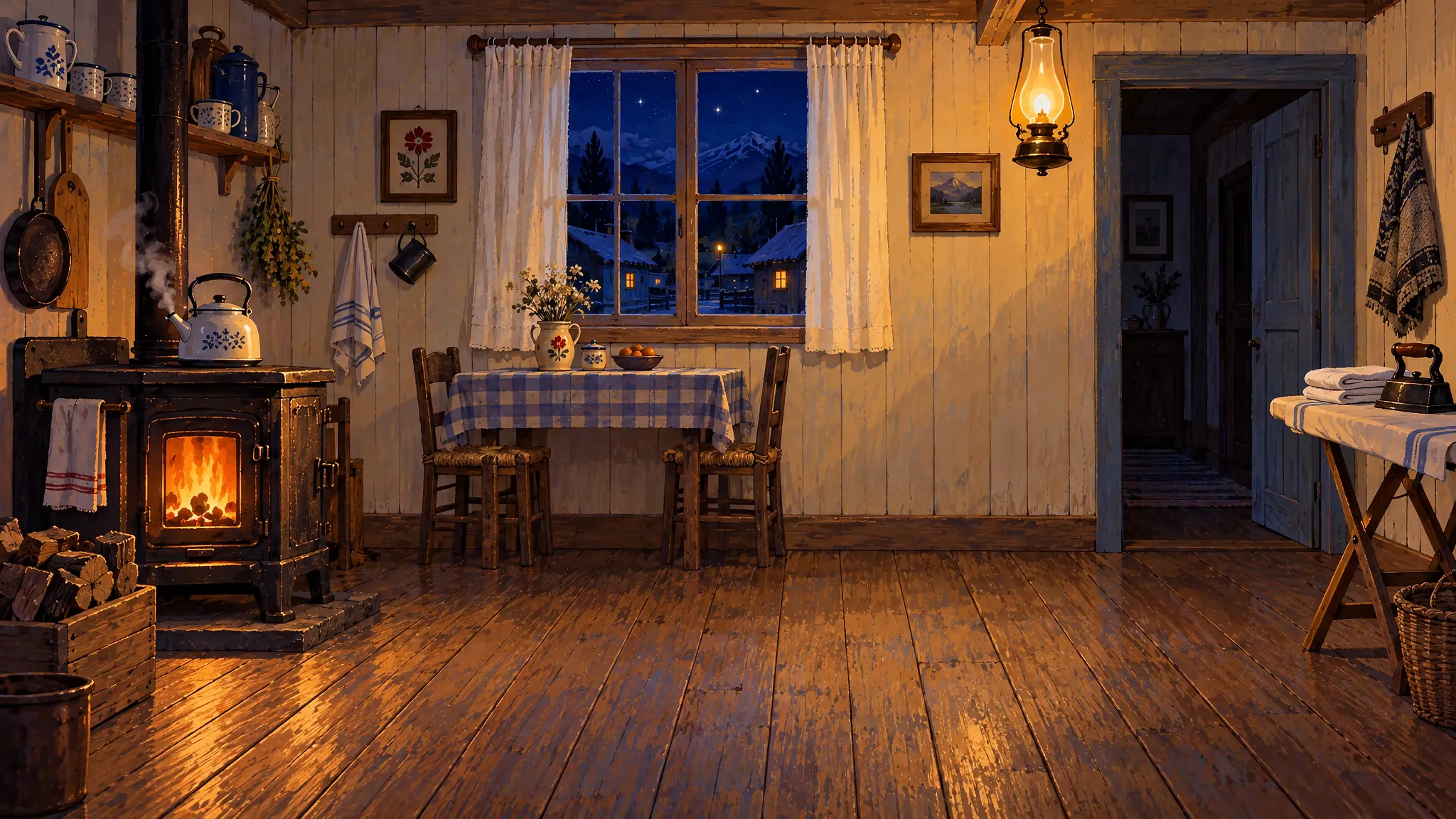
Camila was twelve years old and lived in a small house at the end of a quiet street, with her mother, Doña Ana, and her little sister Lorena, who was only six.
Her school had no uniform. Most of the parents worked terribly hard to give their children the best of everything, and so the schoolyard was full of new sneakers, colorful backpacks and brand-name jackets.
Camila came every day in the same outfit: blue corduroy trousers, a white blouse and a black cardigan. Everything very clean and neatly pressed, because her mother washed and ironed each night after work so that her daughters would never step outside looking untidy.
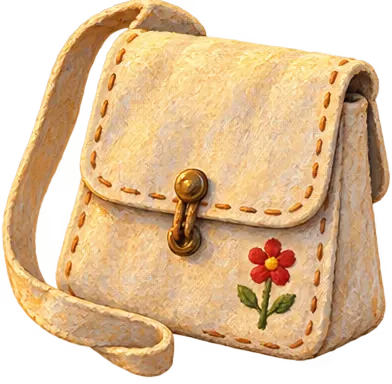
Her schoolbag was a cloth sack that Doña Ana had sewn by hand, with a flower embroidered in one corner. Inside, Camila carried all her notebooks, covered and well cared for, sorted by subject, written in clear, even handwriting that her teachers always praised.
—Camila, your notebook looks like a published book —Miss Luisa would tell her.
And Camila would blush with happiness.
She was an excellent student. She stood out for her good grades and her intelligence, but above all for something that appears on no report card: she was a proper, polite, good-hearted girl. Just like her little sister Lorena, who in first grade could already read fluently and greeted every teacher by name.
Doña Ana did not have much, but she always said the same thing:
—I can’t give you luxuries, my girls. But I give you education, cleanliness and love. With that you can get anywhere.
Chapter 2: The Unglued Shoes
Every day Camila woke up very happy.
But that morning, as she was getting dressed, something happened. When she put on her shoes, the right one felt strange. She looked closely, and her heart sank: the sole had come unglued at the toe, gaping open like a little mouth, showing the lining inside.
Camila sat on the bed for a while, looking at them. They were her only shoes. She had worn them through two whole winters.
At last she got up and went to the kitchen.
—Mama… look. My shoes broke.
Doña Ana set the kettle down on the stove, dried her hands on her apron and took the shoe. She turned it over. She pressed it. Then she sighed.
—Hmmm, daughter —she said, and into that “hmmm” fit everything she did not want to say out loud—. That’s a great shame. But right now I don’t have the money to buy you another pair. You’ll have to go in the same ones.
Camila saw her mother’s face. And she understood, the way children who grow up fast do understand, that it was not a lack of love: it was a lack of money.
So she smiled.
—Don’t worry, Mama —she said—. I’ll fix them myself. I’ll use the glue I have for school.
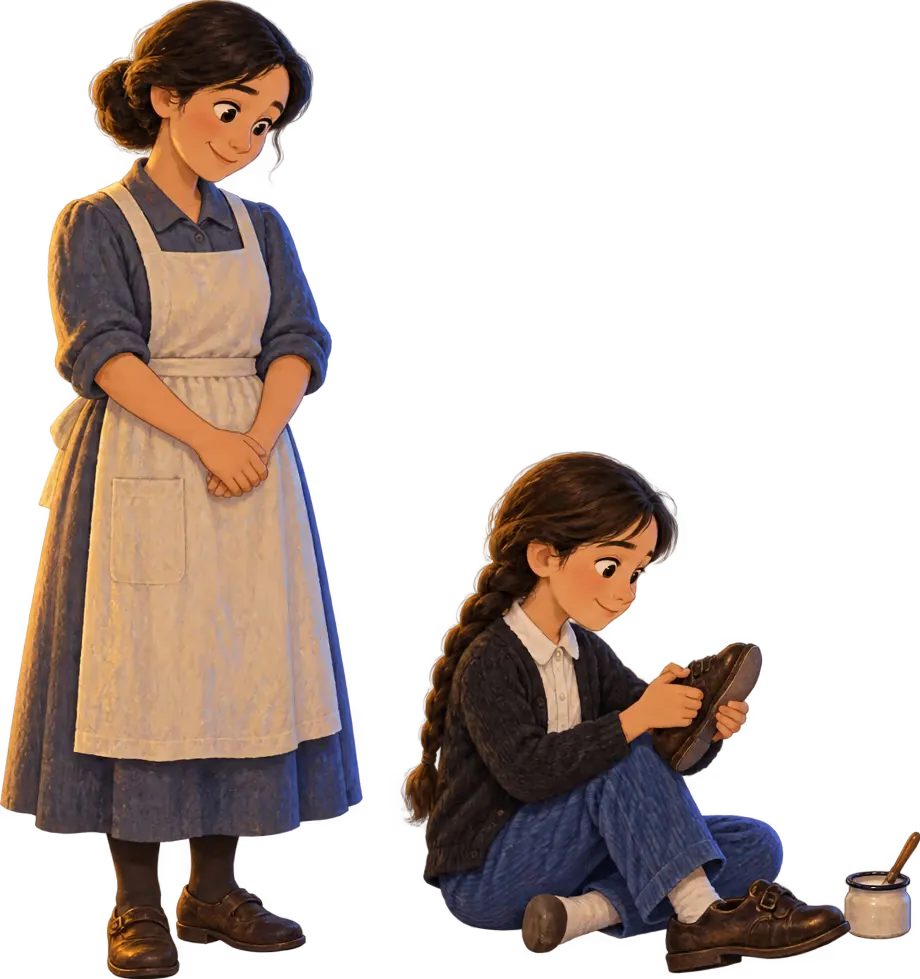
She went and fetched her white glue, the same kind she used to paste clippings into her history notebook. She sat on the kitchen floor with the shoe between her knees, spread the glue very carefully all along the edge, pressed the sole down with her fingers and stayed there, counting under her breath all the way to two hundred without letting go, so it would set properly.
Doña Ana watched from the doorway with shining eyes.
When Camila finished, she stood up and took a few steps around the kitchen.
—Good as new! —she announced proudly.
Her mother hugged her tightly, more tightly than usual.
—Thank you, daughter —she whispered in her ear—. Thank you for not making me feel bad.
Camila finished getting ready, braided her hair, picked up her cloth bag and set off very happily, holding her mother’s hand and Lorena’s, on the way to school.
Chapter 3: A Day at School
At the entrance stood the principal, as she did every morning, welcoming the students one by one.
—Good morning, Camila. Good morning, Lorena.
Doña Ana hugged her daughters and wished them a great day. Then she greeted Doña Luisa, the head teacher, who was also receiving her students at the classroom door.
—Good morning, my little ones. How are you? —the teacher said.
—Good morning, Miss Luisa! —the children answered in chorus.
—Come in, come in, don’t stand about out here, it’s cold.
Then they lined up very neatly in the yard, each class in its own row, and filed into their classrooms. The students sat down at their own desks. Camila sat at hers, next to María, her best friend since first grade.
—Did you bring the summary? —María whispered.
—Obviously —Camila answered.
After roll call, the teacher had them take out their language book.
—Today we are going to read silently —she explained—. It’s an entertaining piece, you’ll see. And when you finish, I want you to write a summary in your own words. In your own words, all right? Not copying from the book.
The room fell quiet, filled with that soft sound of turning pages. Camila read quickly, because she loved reading, and then wrote her summary in that handwriting of hers, round and even.
During the day they had other subjects: math, science, history. Camila raised her hand three times, and all three times she answered correctly.
Everything was going perfectly.
Until the recess bell rang.
Chapter 4: The Longest Recess
Camila stood up, took two steps toward the door and felt it: that soft flapping under her right foot.
The shoe had come unglued again. The glue had not held out through the morning.
She stood there in the middle of the classroom, her face burning with shame. Out in the yard she could hear the usual shouting and laughter, and she could think of only one thing: if she went out like this, someone would notice. And if someone noticed, they would laugh at her.
María was waiting at the door.
—Coming? —she said.
—You go ahead —Camila answered—. I’ll catch up.
Once María had gone, Camila went over to the teacher, who was sorting papers at her desk.
—Miss Luisa… may I stay here in my seat during recess?
The teacher looked up and studied her carefully.
—What’s the matter, child?
Camila lowered her head and said nothing.
—Camila —Miss Luisa insisted gently—. Look at me. What’s wrong?
And then Camila’s eyes filled with tears.
—It’s my shoe, it came unglued —she confessed in a thread of a voice—. I fixed it this morning with school glue, but it came apart again. I’m so ashamed to go out like this. I don’t want my classmates to laugh at me.
Miss Luisa set the papers down, came around the desk and crouched to be at the girl’s height.
—Listen to me carefully —she said—. Nobody here is going to make fun of you. And if anyone did, that person would look very bad, not you. Do you know why?
Camila shook her head.
—Because a broken shoe takes five minutes to fix —said the teacher—. A bad heart, on the other hand, takes a whole lifetime. And you, Camila, have some of the best grades in this class, the loveliest handwriting I have seen in twenty years of teaching, and you are a polite, good girl. That is worth infinitely more than a pair of shoes.
Camila dried her eyes on her sleeve.
—Now then —Miss Luisa added, standing up—, if you want to stay here in your seat this recess, you stay, and nothing happens. But let it be because you want to, not because you’re afraid.
Camila stayed. She took out her notebook and drew quietly for a while, calm, while outside the others ran about.
And Miss Luisa, without saying a word to anyone, made a mental note of one thing: she needed to have a talk with Doña Ana.
Chapter 5: The Top Marks and the Ice Cream
It was time to go home.
Camila went to fetch her little sister from the first-grade classroom, took her by the hand and they walked out together to the gate, where their mother was waiting, as she did every day.
The two girls ran to hug her.
—How did it go, my loves? —Doña Ana asked.
—Very well, Mama! —said Lorena, hopping up and down—. I got top marks on the math test!
—And I got top marks in language! —Camila added.
Doña Ana congratulated them and hugged them both at once.
—Listen —she said—, today we’re going to do something.
They stopped at the shop on the corner that sold ice cream, and she bought one for each of them. She did not buy one for herself, and said she didn’t feel like it, though the girls knew perfectly well that she did.
—It’s a prize for your good grades —she told them—. You’ve earned it.
And so the three of them went along the sidewalk, talking and laughing, each girl with her delicious ice cream in hand, as happy as if the whole world belonged to them.
Camila walked a little crookedly, favoring her right foot so the shoe wouldn’t open further. But she did not complain even once.
Chapter 6: Don Carlos’s Doorway
As they were reaching the corner of their street, they passed the shoe repair shop.
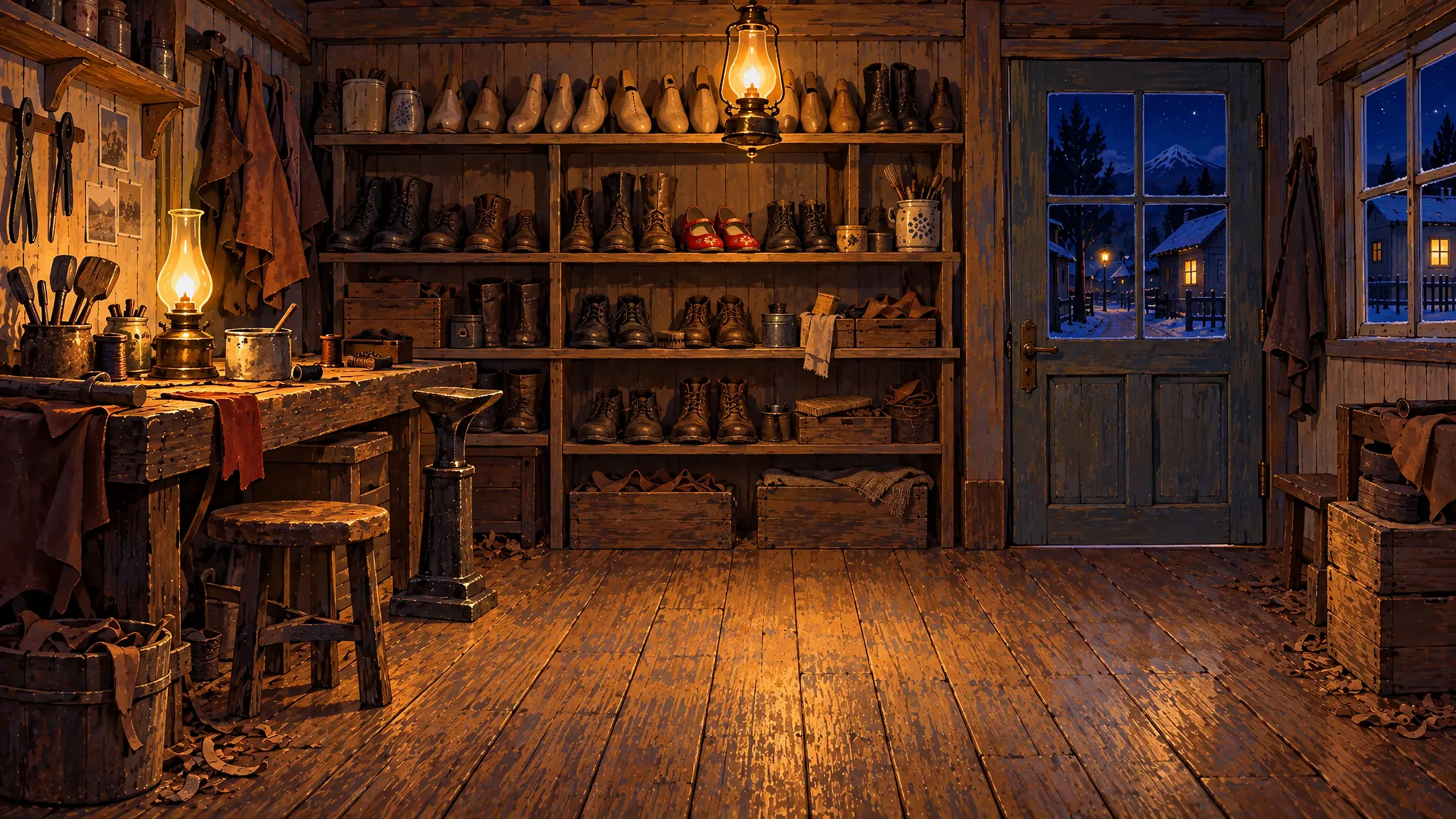
It was a tiny place that smelled of leather and glue, full of wooden lasts and shoes waiting their turn on the shelves. In the doorway stood Don Carlos, the shoemaker, an older man with big, stained hands, wearing his leather apron.
—Good afternoon, neighbor! Good afternoon, girls! —he greeted them warmly.
—Good afternoon, Don Carlos —the three answered.
But the shoemaker did not go back inside. He kept watching, and he noticed what he had been noticing for days: that Camila had trouble taking a step, that she set her right foot down oddly.
—Hello, Camilita —he said—. What’s going on with your shoes?
The girl turned red. She looked at the ground. And then, rather embarrassed, she lifted her foot a little to show him the unglued toe.
Don Carlos nodded slowly, like a man confirming something he already knew.
—Come in, child —he said, opening the door—. I want to show you something. You come in too, neighbor.
Doña Ana went in with her daughters, surprised, understanding nothing.
—Sit there —Don Carlos told Camila, pointing to a wooden stool.
He bent down, opened a drawer under the counter and took out a box. Inside, wrapped in paper, was a pair of black shoes, brand new, hand-stitched, with thick soles and gleaming leather.
—Try them on —he said—. If they fit you well, they’re yours.
Camila’s eyes went wide as saucers.
—I’m sorry? —Doña Ana managed to say.
—I made them one afternoon, especially for her —the shoemaker explained, shrugging as though it were the most natural thing in the world—. I’d been watching her walk past here for days and I realized she was having trouble getting about in those broken shoes. And I have leather, I have thread and I have hands. It would have been a sin not to make them.
Camila looked at her mother, not daring to move.
—Thank him, daughter —said Doña Ana, her voice thick.
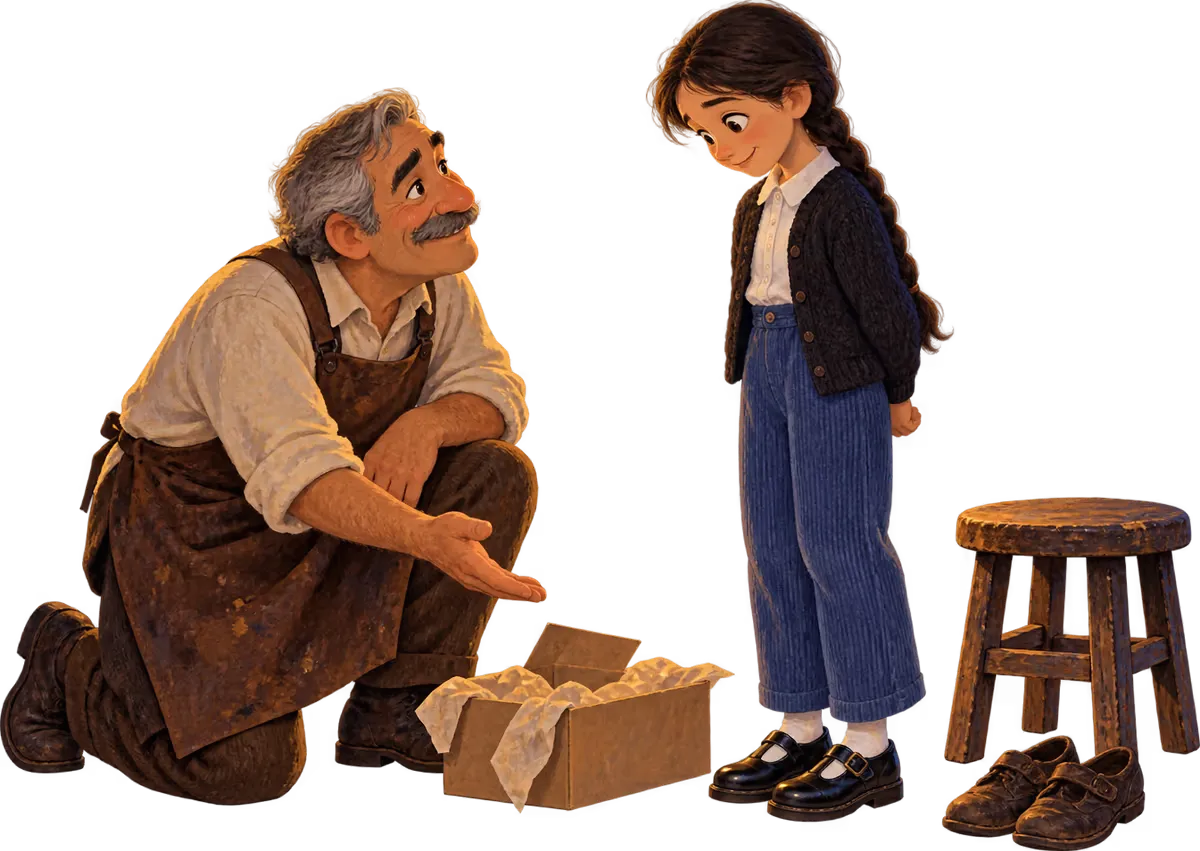
Rather shyly, the girl took off her old shoes and put on the new ones. She fastened them. She stood up.
They fit perfectly. Not tight and not loose: perfect, as though her feet had been waiting for them.
—Look —Don Carlos said, crouching down in front of her—, these shoes are very special. I made them for you, to your measure, because you are a very good and very clever girl. And things made for one particular person are never the same as the ones you buy just anywhere.
Doña Ana, deeply moved, was searching through her purse.
—How much do I owe you, neighbor?
—Nothing —he said, raising his hand—. Don’t you worry. I’m giving those to the girl. Let her take care of them and enjoy them; that’s what they’re for.
The three left the shop full of gratitude. Camila hugged the box with her old shoes in it as though it were a treasure too.
—God bless you and multiply your business, Don Carlos, for your good heart —Doña Ana said from the doorway.
The shoemaker smiled.
—Look, neighbor: when I was a boy, a man who didn’t even know my name gave me my first pair of work shoes. I was never able to repay him. So as long as I’m able, I’ll help whoever needs it. And since you’re a good neighbor, kind to everyone, that’s why I decided to make this gift to little Camila.
Chapter 7: The Race Home
Camila walked happily along the sidewalk in her new shoes.
And suddenly she noticed something. She could walk without protecting her foot. She could jump. She could run fast and steady, with no fear of anything coming open or falling apart.
She gave a little hop. Then another. Then a full spin.
—Lorena! —she said—. Let’s race. First one home wins.
The two sisters took their positions at the corner, crouched down, very serious, like professional runners.
—On your marks… get set… go! —Doña Ana started them off.
Lorena shot away. And Camila, who loved her dearly, set off slowly on purpose, determined to let her win.
But something curious happened.
Camila ran slowly, taking her time, and even so she was covering an enormous amount of ground. It was as though the pavement were pushing her along. As though she weighed nothing at all. She reached the gate of their house first, and she wasn’t even out of breath.
—Mama, Mama! —she shouted, jumping up and down—. These shoes are magic!
Doña Ana arrived laughing, with Lorena hanging off one arm.
—Magic?
—Yes! I don’t feel them when I run or when I walk. It’s like flying. They’re so light, Mama. They feel like feathers!
That night, before going to sleep, Camila set her new shoes down beside the bed, neatly side by side, so she would see them the moment she opened her eyes. And she thanked God, as she did every night.
—Thank you for my mama —she said softly—. Thank you for my little sister. And thank you for Don Carlos.
From then on she went to school happier than ever, because now nobody would be able to laugh at her. Although, to be fair, nobody ever had: the only one who had looked at her harshly was that little judge we all carry inside, who sometimes speaks louder than anyone else.
Chapter 8: The Magic Multiplies
And the best part had not happened yet.
Two days later, Don Carlos knocked on their door with two parcels under his arm.
—Neighbor, don’t tell me no, because they’re already made —he said, before Doña Ana could get a word out.
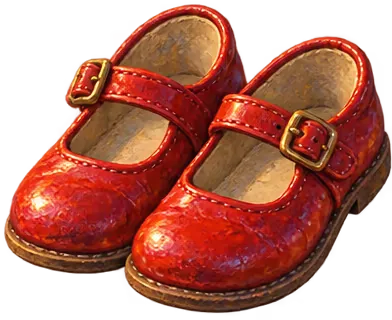
In one parcel was a pair of little red shoes, exactly Lorena’s size. In the other, a pair of black women’s shoes, comfortable ones, the kind that hold up when you’re on your feet all day.
—These are for you —he told Doña Ana—. A mother who walks that much needs good shoes.
Doña Ana could not answer at all, because she started to cry.
And there was more. Don Carlos had also repaired Camila’s old shoes. He had stitched them, not glued them: with waxed thread and a firm stitch, all the way around the sole.
—These are your spare pair —he explained to the girl—. And pay attention: stitched like this, they’ll never come apart on you again. Glue gets tired, child. Thread doesn’t.
Camila took them in both hands, and then she dared to tell him her secret.
—Don Carlos… you know what? The shoes you made me are magic. Really. In these I can run and never get tired, and I don’t even feel them on my feet.
The shoemaker went very still for a second, and then laughed a big, happy laugh.
—Well, isn’t that something, child! —he exclaimed, sounding astonished—. Imagine, I had no idea. In that case, let me tell you: the ones I repaired are magic from now on too. And so are your sister’s. And your mother’s, all the more so.
The two girls hugged him and kissed him on the cheek.
Then they set off for school holding their mother’s hands.
There they showed the shoes to their teachers, to their classmates and their friends, telling them very solemnly that they were magic, that now they could run and jump and go a very long way.
And everyone looked at them with delight and applauded.
—We’re so happy for you! —they said—. You deserve it, for being such well-behaved, respectful girls.
María hugged Camila and whispered in her ear:
—I always knew good things were going to happen to you.
Epilogue
The years went by.
Camila finished school with the best grades of her year and then trained as a teacher, because she never forgot a teacher who once crouched down to be at her height and told her that a bad heart is far harder to mend than a broken shoe.
Lorena grew up and became a nurse.
Doña Ana wore her black shoes until they could go no further, and when they finally fell apart, she didn’t throw them out: she put them away in the wardrobe, wrapped in paper, because there are things a person simply doesn’t throw out.
Don Carlos went on working in his tiny shop that smelled of leather and glue, until his hands gave out. He never knew how many pairs of shoes he gave away in his lifetime, because he never kept count. He used to say that keeping count would spoil it.
Many years later, when Camila was Miss Camila and taught at that very same school, she noticed one day a boy in her class who did not want to go out for recess. She went over, crouched down to be at his height and asked him what was wrong.
The boy lowered his head and did not answer.
She looked at his shoes and understood everything at once.
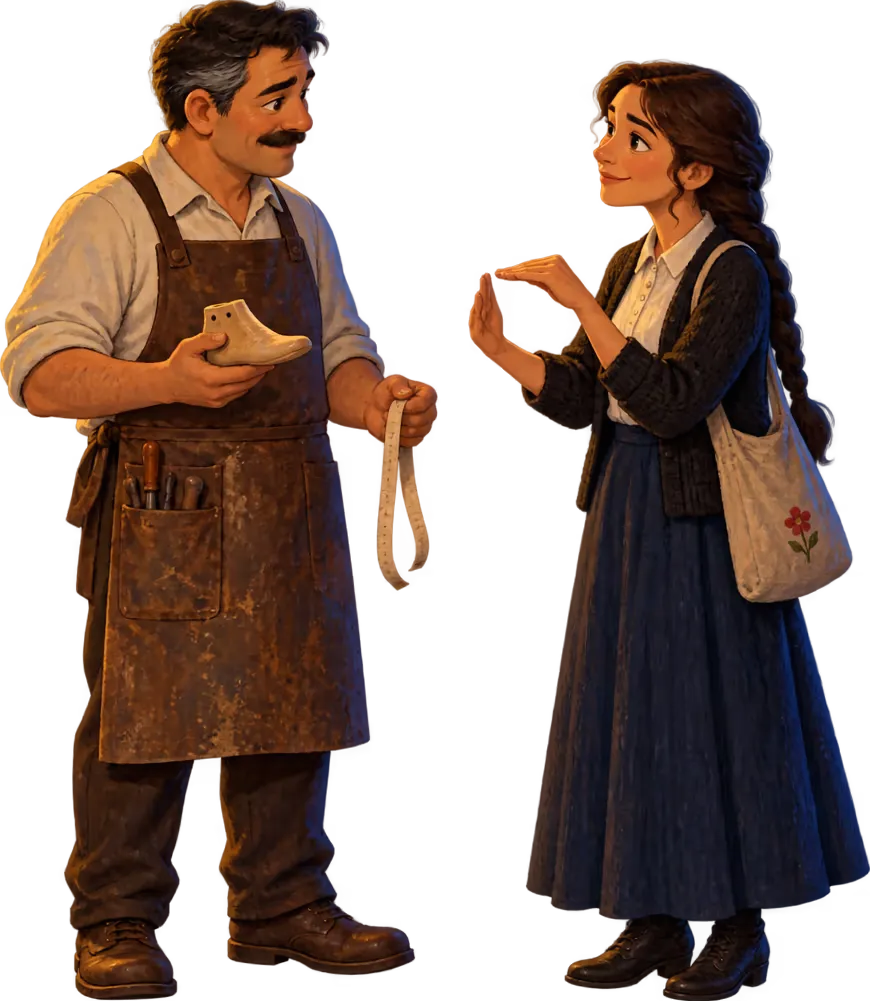
That afternoon, on her way home, Camila walked to the shoe repair shop on the corner — now run by Don Carlos’s son — and ordered a pair of shoes made to measure.
Because magic, the good kind, doesn’t get used up.
It gets passed on.
The Lesson
This story teaches us that:
-
Being poor is nothing to be ashamed of: Camila went to class in the same clothes every day, but clean, pressed, and with her head held high. Nobody is worth less for having little. A person’s value doesn’t hang on their clothes.
-
Dignity shows in the details: The covered notebooks, the even handwriting, the hand-sewn schoolbag. Doña Ana could not provide luxuries, but she taught her daughters to care for and value what they had, which is one of the greatest lessons there is.
-
Children look after their parents too: Camila saw her mother’s face and decided to fix her own shoes so as not to make her feel bad. That tiny gesture was an enormous act of love.
-
Telling someone what’s wrong makes it lighter: Camila wanted to hide in the classroom. But when she told her teacher the truth, she received exactly the words she needed to hear. Silence makes shame grow; speaking it makes it small.
-
We must truly look at other people: Don Carlos didn’t ask out of nosiness. He asked because he had been watching for days. Kindness always begins right there: with noticing.
-
Give without expecting anything in return: The shoemaker charged nothing, asked for no thanks and kept no count. He helped because someone once helped him, and so he gave back to the world what the world had lent him.
-
The real magic is other people’s love: The shoes didn’t fly. They were good shoes, handmade and fitted to her. But to Camila they were magic, because they were made with care. When something is made with love, it always looks like a miracle.
May Camila’s story remind us that in every school there is a child who doesn’t want to go out at recess because of something that shames them. And that sometimes a pair of shoes, or a question asked in time, is all it takes to give them back their desire to run.
The End